

How to Choose Geisha
Posted by Wen Yang on Feb 6th 2021
Voca Coffee Notes - Geisha - 3
As mentioned in previous blogs: not all Geisha taste equally. Almost all coffee regions started to plant Geisha and they are sold at dazzling prices. How to pick the one that really worthy?
I would recommend evaluating the following aspects:
Cupping Score
Ask for the cupping score before you buy Geisha.
Even coffee from the most prestigious Geisha Estate, even from the same coffee tree, are not grown equally. They are picked and graded into different quality lots.
Cupping score is the most direct and objective way to identify the quality of any coffee. Having a certified Q grader to grade a coffee incurs additional cost. Only worthy ones justifies the cost.
As mentioned in previous blog, in general, coffee with cupping scores 80 and above are treated as specialty coffee; 85 and above as Excellent, 90 and above as Outstanding. In general, for the same type of coffee, the higher the cupping score, the price goes higher drastically.
For Geisha, 90 and above would be the ideal range. For me, since I prefer clean cup, clarity, complexity and vibrance, I personally aim for 92 and above.
Traceable to Estate
For Geisha, Single-Origin is not good enough. It must be traceable to Estate level.
In other words, the Geisha coffee package should provide clear information about which exact Estate, or coffee farm, that grew and processed the Geisha.
It incurs extra cost to provide Estate level traceability. Only the worthy coffee justifies the extra cost.
Here are the list of Best of Panama winner estates from 2004~2020:
- Guarumo Coffee Farm
- Finca Sophia
- Elida Estate of Wilford Lamastus Family Farms
- Hacienda La Esmeralda Farms
- Finca La Mula
- Finca Mama Cata
- Finca Canta Don Tito
- Finca La Carleida
- Finca La Aurora
- Jumix Jose Gallardo Farm
- Auromar Estate
Underneath the glory of those awards, it took disciplined management systems, knowledgeable teams and utter most care to grow, to maintain, to pick and to process those precious Geisha coffee. The systems, the teams and the care would most likely carry on their fame and quality for years.
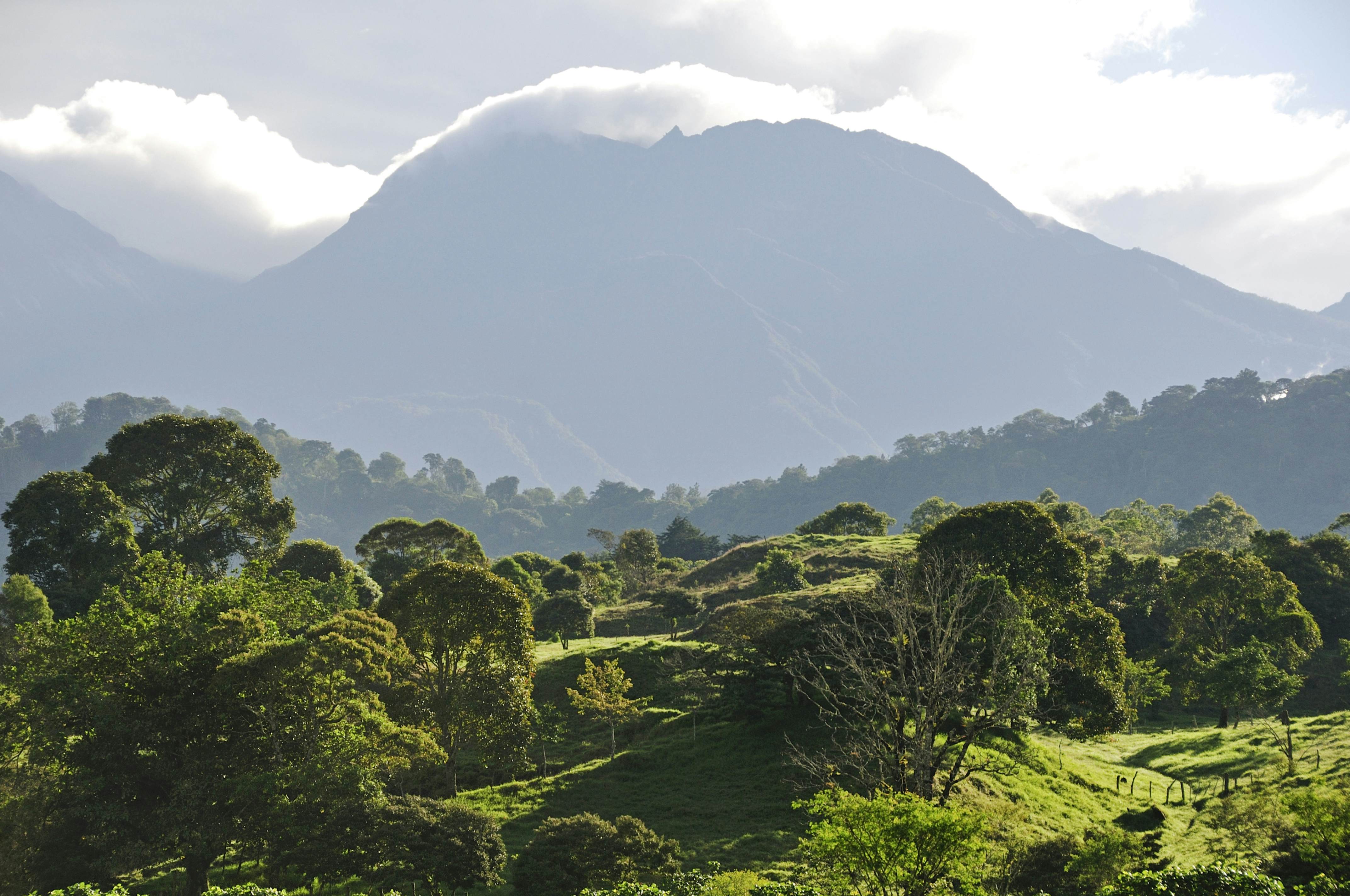
(The spectacular view of Chiriquí Province, Panama, where the majority of the Best of Panama winner estates are located - Photo Courtesy of Christian Heeb / Getty Images)
Therefore, any Geisha from these estates, I would pay more attention to, especially the Estates that kept winning for years, like Hacienda La Esmeralda Farms and Elida Estate.
Besides the BOP winner estates, Panama Ninety Plus, Ethiopia Gesha Village, and some other estates in Guatemala, Colombia and other countries in Central and South America are also known to produce great quality Geisha.
Altitude Determines The Quality
Altitude is the determining factor of coffee quality. The climate condition in higher altitude allows the coffee cherries and beans have longer development time, which result in more complex and intense flavors. Therefore high altitude usually stands for good quality. The question is how high is considered high altitude?
In Panama, 1500 masl (meters above sea level) is the minimum elevation for good quality Geisha. Why is that? This would trace back to 1960s when Geisha was first introduced to Panama. Back then, Geisha was only grown in lower elevation lands and it resulted low yield and mediocre taste and Geisha remained unknown for decades. Later Geisha got a chance being planted at higher altitude, 1500 and above, where the variety found its home ground and started shining through the world from 2004 onwards.
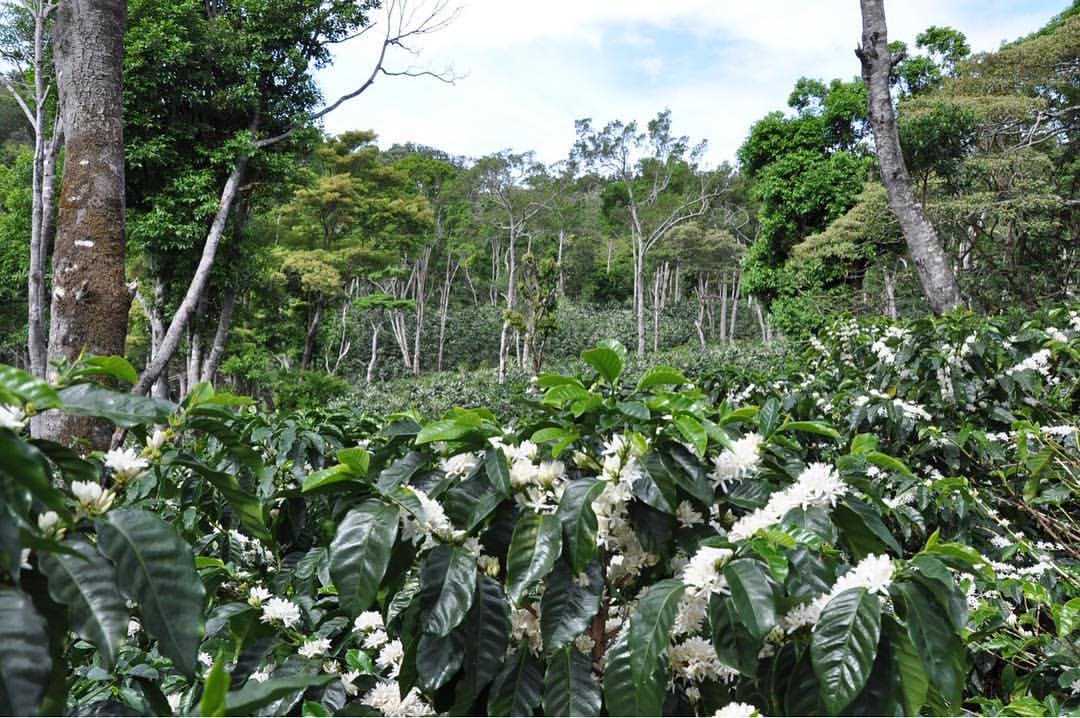
(El Velo Estate of Hacienda La Esmeralda Farms, growing coffee at altitude of 1,650-1,900 masl - Photo Courtesy of Daily Coffee News)
In Ethiopia, 1500 meters is also considered as the dividing point for high altitude coffee and low altitude coffee.
Different estates and even the same estate may plant coffee trees spanning from 1500 meters to 2100 meters above sea level. In general, the higher the altitude is, the better the coffee quality, of course the higher the price.
Even trees at same region and same altitudes produce beans at different quality grades. Cupping scores would be a more direct way to determine the coffee quality. However, if the coffee does not provide cupping score information, altitude would be a basic reference point.
If the Geisha does not provide you the altitude information, don't buy it.
Processing Method
As part of the traceability information, the Geisha should provide how the beans were processed. In general, Geisha beans can be processed in three typical coffee process types:
Wet Processed/Fully Washed. Wet processed coffee is usually cleaner, more delicate, with brighter acidity.
Natural Processed. Natural processed coffee is usually sweeter and fruitier, with bigger body.
Honey processed. Somewhere between wet and natural processed.
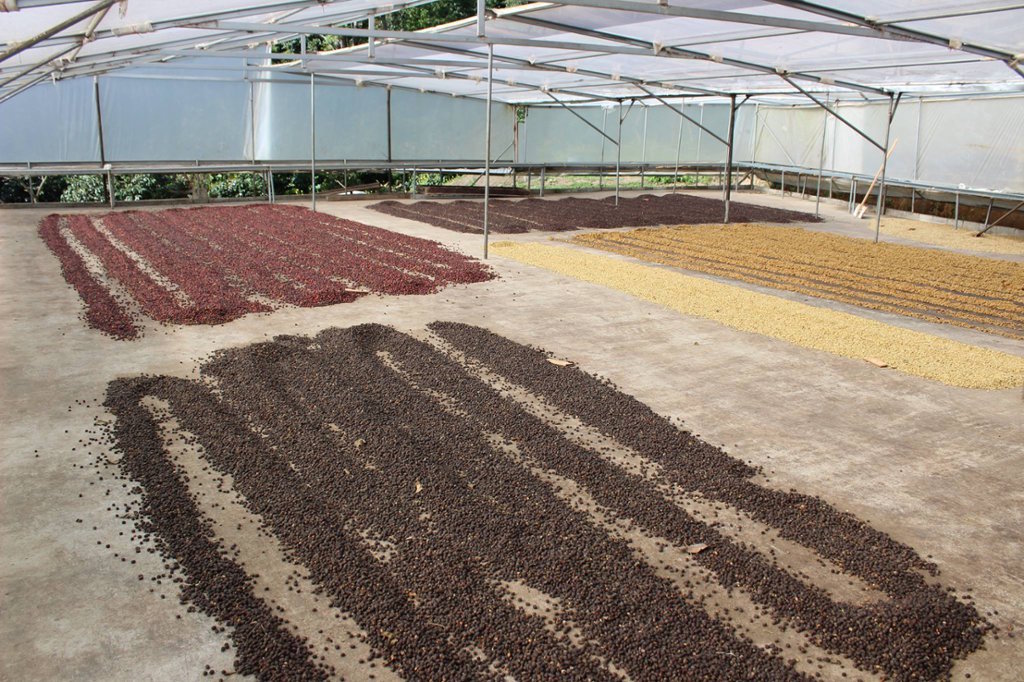
(Traditional natural processing in Elida Estate: coffee cherry are dried by laying on the ground or on raised bed - photo courtesy of Daily Coffee News)
Processing method does not tell quality, but each type of process will leave a reflection on the bean flavors. So savvy coffee drinks would know if the coffee might match their personal preferences by looking at the process type.
Processing method is a part of the basic traceability information that a good quality Geisha must provide. Again, traceability cost extra; only worthy coffee justifies the extra cost.
Buy From Trustworthy Roaster Matching Your Coffee Aesthetic
All those scores, traceability information , etc., tells you how good the raw coffee beans are. Then, it’s up to roaster to seek for the best roast profile and roast them consistently to their best potential.
Does the roaster sort beans before roasting? Does the roaster profile the roasts to bring up the beans’ best potential? Does the roaster cup the roasts to verify the roast quality? Does the roaster monitor the every roast closely to have consistent results? Does the roaster again sort roasted beans before packaging? Does the roaster provide enough clarity and information about the coffee and roast? Does the roaster care to provide brewing guide, so to maximize your Geisha experience?
Buying from a reputable and trustworthy roaster is the last-mile gating factor between you and great quality Geisha.
In addition, different roasters would have their own aesthetic interpretation of Geisha, which will have a reflection on the coffee flavors. For example, some roasters may emphasize on the floral fragrance, some on intense flavors, some may seek for the balance. Therefore, a roaster who matches your coffee aesthetic would have a higher chance to offer you the Geisha you prefer.
Match Flavor Notes with Personal Preferences
Any specialty coffee shall provide flavor notes information on the package or on its web page.
Since everyone’s taste preference is different, flavor notes helps to answer if you would like the particular coffee.
Flavor notes usually cover fragrance, aroma, tastes, flavors and mouthfeel.
Good Geisha usually have the signature floral fragrance and aroma, bright acidity, fruitiness and intense sweetness; it should be clean, complex; either light, delicate or medium body mouthfeel.
Look for these traits in the flavor notes on the Geisha coffee package or on the web page.
Again, tastes and flavors preferences are very personal and subjective. From flavors notes, one can find the right match.
Light to Medium Roast Level Preferred
In order to preserve the distinctive and precious aroma and flavors, Geisha coffee is usually light or medium roasted.
That being said, it doesn’t mean dark roasted or medium to dark roasted Geisha won’t taste good. In fact I did have a nice cup of Geisha pour over, a bit on the dark side, in Shanghai. It was a fragrant, clean, delicate and complex cup, quite pleasant and enjoyable.
As the beans roasted darker, the floral fragrance may become lighter or even disappear; the fruitiness would dwindle, acidity would gradually mute; caramel and sugar flavors takes over, and then chocolaty …
In short, light and medium roasted Geisha offer a wider spectrum of the Geisha’s unique flavors and stronger altitude of vibrance.
Enjoy Geisha Within 15 Days After Roasting
To enjoy the peak aroma and tastes, in general, coffee is best to brew between the 5th to 15th day after roasting. For Geisha, you really want to enjoy them when they are at their peak.
Roast-to-Order is the best way to guarantee the freshness of the coffee. And you usually get the roasted beans within 2~3 days after roasting.
Freshness is so important, and the price is so high. Therefore, you want to buy the quantity you can finish within the peak period. Geisha coffee usually offered at small package of 12OZ, 4OZ (or 100 grams), some even offer 2OZ (or 50 grams).
That being said, it does not mean Geisha won’t taste good after 15th day. It just that they may lose a little precious aroma, or a little vibrance and subtle nuances as time ticks.
Summary
Once you know the Geisha’s cupping score, the growing estate and altitude, the processing method, roasted by a trusted roaster, the flavor notes matches your preferences and the right roast level, the right quantity to finish within peak period, the answer would become crisp-clear to if the Geisha is worthwhile.
As we know, Geisha is not rationally priced. As long as the pocket feels comfortable, it’s okay to be a big spender once a while, for a special celebration.
References:
https://www.panamavarietals.com/geisha2
https://auction.bestofpanama.org/en/lots/camilina-3-1
https://auction.bestofpanama.org/en/lots/esmeralda-geisha-jaramillo-
https://www.laestrella.com.pa/economia/150511/of-the-best-jumix-triunfa
http://scap-panama.com/auctions2001-2017/
https://dailycoffeenews.com/2020/09/18/finca-sophia-coffee-earns-record-breaking-1300-per-pound-at-best-of-panama/
https://www.lonelyplanet.com/panama/chiriqui-province
https://auction.bestofpanama.org/en/lots/mama-cata-geisha-
https://dailycoffeenews.com/2017/07/26/record-coffee-earns-601-per-pound-at-best-of-panama-auction/